Don’t Let Your Music Get Ignored: Expert Guidance in the Independent Music Industry
Getting your music heard as an independent artist is tough. Really tough. You can spend hours in the studio, pour your heart into a track, and then, crickets. The independent music industry is exciting, yes, but also crowded and, frankly, confusing. There are opportunities, but also traps that can slow you down or worse, leave you frustrated. Talent alone won’t get you noticed. You need some strategy, a bit of insider know-how, and at least a basic understanding of how the business side works.
Understanding the Independent Music Industry
The independent music industry does not have a predetermined path. Unlike larger record labels that have various departments to oversee their marketing, distribution, and legal work, many independent artists execute all of these aspects on their own, often at once (i.e., writing and recording in the same day).
It can be quite difficult to navigate this industry. Knowing even the basics, how royalties work, what contracts really mean, and how streaming platforms push music, turns chaos into a plan. And those little insights? They might be the difference between getting heard and disappearing into the noise.
Educate Yourself with Books on Music Publishing
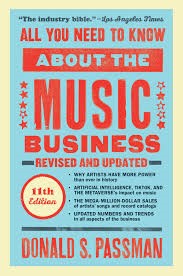
Yes, I said books. And before you roll your eyes, hear me out. Books on music publishing are surprisingly practical. They break down royalties, licensing, and intellectual property in ways that don’t require a law degree. They show you how to protect your work, make money from it, and navigate tricky legal issues. Think of it as a roadmap that saves you headaches later. Even flipping through a chapter or two can spark ideas you’d never get from social media alone.
Building a Strong Presence
You might have a killer track, but if no one knows it exists, does it matter? Building a presence isn’t about posting every day or chasing followers; it’s about connecting. Talk to fans. Share a few behind-the-scenes stories. Collaborate. Post inconsistently if you have to, as long as it feels real. Fans can tell when you’re being authentic. And when that happens, they don’t just listen, they stick around, share your music, and maybe even show up at your shows.
Networking and Collaboration
Let’s be honest: music rarely happens in isolation. Connections matter more than we like to admit. Collaborating with other musicians, producers, or even a fan with a good ear can take your music places you didn’t expect. Go to shows, hang out in online communities, ask questions, offer help, every little connection counts. Sometimes the right person hears one of your songs, and suddenly things change. Networking isn’t a chore; it’s part of the journey.
Strategic Distribution and Marketing
A great track buried on a forgotten platform is basically invisible. Distribution matters. Marketing matters. But here’s the nuance: you don’t need to blast everywhere. Focus on platforms that work for independent artists, think about your audience, and target your efforts. Playlists, emails, social posts, collaborations, small, intentional actions beat scattershot campaigns every time. A few thoughtful strategies can make your music heard by exactly the right people.
Staying Consistent and Persistent
Here’s the harsh truth: overnight success? Rare. Very rare. In the independent music industry, steady effort beats luck most of the time. Release music consistently, keep fans engaged, experiment, learn, tweak.
Yes, it’s exhausting. Yes, it’s frustrating. But persistence is what separates artists who leave a mark from those who fade away. Patience matters, and so does stubbornness. Your music deserves to be heard, and only you can make that happen.
Conclusion
In order to succeed in the independent music industry, you need more than just musical ability to break into it. You have to understand the business side and how music publishing works, read about it, have a wide network of people connected to your work, and strategically distribute your music.
You must continue to be consistent, continue learning, and let determination guide you. All of the little bits can build up over time. An effective strategy will turn your efforts into your music being recognized, as well as something that will be memorable to others. Logan Westbrooks gives independent artists who want to establish themselves as musicians the tools needed to be proactive in their careers. His resources and tips will allow independent artists to grow their music business. Explore our books on music publishing and find out how you can develop your sound and take steps toward the goal of not having your music go ignored!
FAQs
- What is the independent music industry?
The independent music industry includes artists who operate without major label support, managing their own recording, marketing, distribution, and business operations.
- Why is it difficult for independent artists to get noticed?
Competition is high, platforms are crowded, and success requires understanding marketing, distribution, royalties, and audience engagement—not just talent.
- How can books on music publishing help independent artists?
Books on music publishing teach royalties, licensing, intellectual property rights, and contract basics, helping artists protect their work and earn income effectively.
- What role does networking play in the independent music industry?
Networking with musicians, producers, and fans can lead to collaborations, exposure, and opportunities that amplify an artist’s reach.
- How should independent artists approach distribution and marketing?
Focus on platforms and strategies that target your audience intentionally, like playlists, social posts, email campaigns, and collaborations, rather than spreading efforts too thin.
- Why is consistency important for independent musicians?
Regularly releasing music, engaging with fans, and refining your strategy over time builds recognition and long-term success, even without overnight breakthroughs.
- What are some common pitfalls in the independent music industry?
Ignoring royalties, mismanaging distribution, lacking a network, and failing to plan strategically for marketing can all prevent music from reaching listeners.
- How does understanding music publishing benefit independent artists?
It ensures artists retain rights, earn proper royalties, license their work correctly, and avoid legal or financial pitfalls.