Do Music Industry Books Written by Executives Offer Better Insights?
Anyone who’s ever tried to figure out how the music industry actually works knows the feeling: you read a few pieces, hear an artist rant on a podcast, maybe flip through a couple of interviews, and somehow everything still feels fuzzy. The business side is messy. Half of it happens behind closed doors, and the other half is buried in jargon nobody explains.
Naturally, people start wondering if the folks at the top, the executives, are the ones who can finally make sense of it all. And then the next question pops up: are the books they write actually better at explaining the music business than the ones written by artists or journalists?
That’s what this piece jumps into. Right from the start, you’ll know where this is headed: why exec-written books might help, where they slip, how they compare with artist and journalist versions, and how all of this ties into picking the best books about the music industry or even the best-selling music industry books that keep showing up on “must-read” lists.
Why Executive Perspectives Can Help
Executives live in a different world from artists. They sit at tables where contracts are negotiated, budgets approved, stories reshaped, and careers redirected. When they choose to talk about it in a book, the curtain lifts at least a bit.
Money flow, strategic decisions, label behavior, how distribution really operates, these are things fans rarely see. Artists don’t always understand it either. Executives, though? They’ve watched these gears grind for years.
That’s why many readers lean toward these books when they want to go deeper than emotional stories or surface-level industry summaries. If someone is searching for the best books about the music industry, this type of insight can feel like the missing puzzle piece.
What Execs Usually Explain Well
Most executive-written titles are built around short, direct sections: revenue slices, label evolution, the politics of releasing music, the drama behind catalog ownership, hand ow streaming changed the entire business model.
They often have a calm, matter-of-fact tone because these authors have lived through mergers, lawsuits, marketing failures, viral explosions, and everything in between. They know how things have changed, and they often connect past systems to today’s streaming world.
This is one reason so many best-selling music industry books come from executives: they bring a bird’s-eye history that outsiders just don’t have.
How Executive Books Compare to Artist and Journalist Views
- Artist books explain how things feel. Journalists explain how things look from the outside.
- Executives explain why things happen. Those are three different angles on the same building.
- Reading only one gives a tilted view. Combining all three? That’s when the whole industry starts to make sense.
So, Are Executive Books “Better”?
Well, better for what?
- If someone wants honesty about fame and burnout, artists are the way to go.
- If someone wants charts, structures, deal logic, and career-shaping decisions, executives usually win.
But the richest understanding comes when you mix voices. Many of the most respected and best books about the music industry succeed because they blend personal truth with hard business reality.
Conclusion:
Executive-written books open doors into parts of the music industry most people never get to see, and that alone makes them incredibly valuable. But they’re one slice of the full story, not the entire meal.
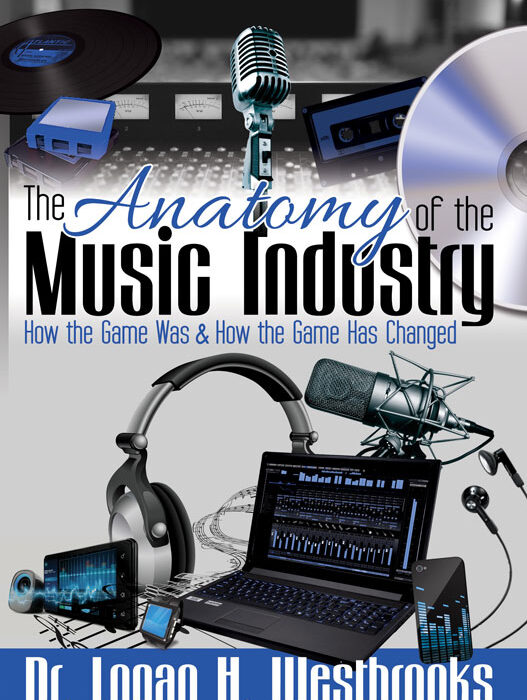
If you’re building a reading list, don’t just chase hype or bestseller tags. Look for books that mix experience with honesty and practical guidance with Logan Westbrooks.
In today’s complex music landscape, I, Logan Westbrooks, stand with executive insight, legacy, and cultural impact, exactly the perspective readers seek when exploring the best-selling music industry books. My work embodies the strategic depth discussed, proving why executive-written industry books offer unmatched clarity for artists, educators, and businesses striving to navigate and understand the evolving music ecosystem.